Water Damage Pros Washington logo Water Damage Pros Washington
Get Estimate

Sewage Backup Cleanup in Washington done right the first time

24/7 emergency response, IICRC-certified crews, and upfront pricing statewide


When a sewer line backs up into your home, every hour counts. Our team delivers Sewage Backup Cleanup in Washington with 24/7 dispatch, IICRC-certified technicians, and truck-mounted extraction that pulls contaminated water out fast. We handle sewage cleanup Washington homeowners and property managers trust for Category 3 waste, from Marysville to Richland. One call gets a crew rolling to your door.

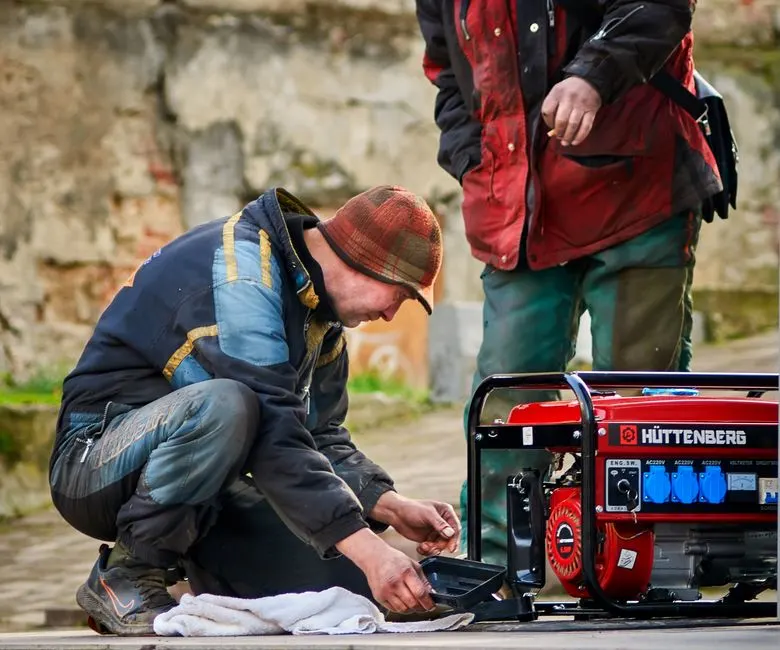
Two technicians working on a red HÜTTENBERG power generator outdoors.
Licensed Licensed & Bonded
Fully Insured Insured & Bonded
24/7 Emergency Same-Day Response
Warranty Backed Workmanship Guaranteed

What is included in Sewage Backup Cleanup in Washington

Every job includes the core scope: emergency response, source control, extraction, cut-out of contaminated porous materials, antimicrobial treatment, structural drying, and final verification with documentation. Reconstruction like new drywall, flooring, and paint is quoted separately so you can see exactly what the cleanup costs versus the rebuild.

Emergency response and source control

We roll 24/7 and stop the source on arrival if it is still active. That might mean shutting a supply valve, isolating a fixture, or coordinating with a plumber for a main line blockage. Response time on most metro calls is 60 to 90 minutes.
Contaminated water extraction

Truck-mounted extraction units pull standing sewage out of carpet, hardwood, tile, and concrete. We use a moisture meter and thermal imaging camera to find hidden pockets behind baseboards and inside wall cavities before they become mold growth.

Cut-out of porous materials

Carpet padding, saturated drywall, wet insulation, and contaminated baseboards get removed and bagged for licensed disposal. Category 3 materials cannot be dried in place. We cut to a clean line and photograph everything for your claim.

Antimicrobial treatment

We apply EPA-registered antimicrobial spray to every affected surface, then seal exposed framing where contamination reached the wood. This is the step that stops the sewage odor from returning weeks later.

Structural drying

Dri-Eaz and Phoenix Restoration Equipment dehumidifiers and air movers run until moisture content matches an unaffected reference area. Drying usually takes three to five days, and we check readings daily with a hygrometer and infrared thermometer.

Final verification and report

Before we pull equipment, we confirm dry standard and no residual odor. You get a completion report with before-and-after readings, photos, and the documentation your insurance adjuster needs to close the claim.

What Sewage Backup Cleanup in Washington actually involves


Sewage Backup Cleanup in Washington is the process of removing Category 3 contaminated water, disinfecting every surface it touched, and restoring the structure so it is safe to live in again. Raw sewage carries bacteria, viruses, and parasites, so this is not a shop-vac job. We extract standing waste, pull saturated carpet padding and insulation, treat framing with antimicrobial spray, and dry the cavity with dehumidifiers and air movers until a moisture meter reads normal.

Washington homes deal with backups for specific reasons. Heavy fall rain overwhelms municipal lines, older cast iron and PVC pipes in Seattle-area neighborhoods crack under root intrusion, and sump pumps fail during the November storm season. If you are searching for sewage backup cleanup Washington near me after a basement flooding event, we run 24/7 sewage cleanup in Washington with same-day crews and a written scope before we start.

Our five-step sewage cleanup process

Every job follows the same sequence, whether it is a 200-square-foot bathroom or a 2,000-square-foot finished basement.

01

Schedule

Call or book online — a real human picks up and confirms a 2-hour arrival window.

02

Diagnose

Licensed tech inspects on-site, then walks you through the cause and your options.

03

Fix

The job is completed to code and done right the first time — no shortcuts, no surprises.

04

Guarantee

Every job backed by a written workmanship warranty — and we stand behind it.

Tools and methods we use

Tools & Equipment

Moisture meter and hygrometer

We use these to find hidden moisture behind baseboards and inside wall cavities, and to track drying progress daily until readings match an unaffected reference area.

Thermal imaging camera

Infrared imaging reveals wet areas behind drywall and under flooring that a moisture meter alone can miss. It is how we map the true extent of a sewage backup before we cut.

Boroscope

A boroscope lets us inspect inside wall cavities and crawl spaces without tearing everything open. We also use it to photograph lateral line blockages for your plumber and your insurance claim.

Dri-Eaz and Phoenix dehumidifiers

These are the workhorses of structural drying. We size the equipment to the cubic footage of the affected space and run it until moisture content hits dry standard.

Truck-mounted water extraction unit

For standing sewage, a truck-mounted unit pulls hundreds of gallons per hour. It is faster and more thorough than portable extractors on any job larger than a single bathroom.

Air movers and HEPA air scrubbers

Air movers accelerate evaporation across floors and walls. HEPA scrubbers capture airborne particles and odor during disinfection, which matters on Category 3 jobs.

Sump pump

When a basement is still taking on water, a sump pump keeps the pit clear so extraction and drying can proceed. We test yours and recommend a battery backup if it failed.

Methods & Standards

ANSI/IICRC S500 water damage standard

This is the industry standard for water damage restoration, and it defines how we classify water, set drying goals, and document the job. Category 3 sewage work follows the stricter contamination protocols in the standard.

IICRC WRT and AMRT protocols

Our technicians hold Water Restoration Technician and Applied Microbial Remediation Technician credentials. That training drives how we contain, treat, and verify a sewage-contaminated space before reconstruction.

EPA Lead-Safe work practices

On pre-1978 homes, cutting into painted drywall or trim can release lead dust. Our EPA Lead-Safe certification means we contain the work area and follow the required handling procedures on older Washington housing stock.

OSHA 10 jobsite safety

Every crew member completes OSHA 10 training. On sewage jobs that means proper PPE, containment, and safe handling of contaminated waste from extraction through disposal.

When to call for sewage backup cleanup

01

A basement floor drain backs up during a November rainstorm and you wake up to two inches of standing sewage.

What we do: We dispatch a crew 24/7, extract the standing waste with truck-mounted units, cut out contaminated carpet and drywall, and set drying equipment the same day. We document the event for your insurance claim.

→ Most basements are dry within four to five days, and you have a completion report your adjuster can process without back-and-forth.

02

A toilet overflows on the second floor of a two-story home and sewage runs down through the ceiling into the kitchen below.

What we do: We open the ceiling, extract from both floors, remove saturated insulation and drywall, and treat every affected surface with antimicrobial spray. Drying equipment runs on both levels.

→ The structure dries to standard in three to five days, and the ceiling cavity is clean and ready for drywall replacement.

03

You are selling a home and the buyer's inspector finds evidence of an old sewage backup in the crawl space.

What we do: We inspect with a boroscope and moisture meter, extract any remaining contamination, disinfect the space, and document the work with photos and readings.

→ You get a clean crawl space and a written report you can hand to the buyer's agent to clear the objection.

04

A commercial tenant reports a sewage smell in a restroom and the landlord needs it resolved before opening hours.

What we do: We respond after hours, isolate the affected area, extract and disinfect, and run HEPA air scrubbers to clear odor. We coordinate with the property manager on access and documentation.

→ The space is clean and odor-free before the next business day, with a report for the landlord's insurance file.

How Sewage Backup Cleanup in Washington runs locally

Washington's climate drives most of the sewage backup calls we run. The November through February storm season saturates the ground and overwhelms municipal sewer lines, especially in older cities where storm water and sanitary lines still share capacity. West of the Cascades, that means frequent backups in places like Chehalis and Centralia, where the Chehalis River basin floods repeatedly. East of the mountains, the problem flips: hard freezes crack pipes and split supply lines, and we see frozen pipe burst calls in East Wenatchee and Richland through January. Building stock matters too. Pre-1978 homes in older neighborhoods often have clay tile laterals and painted drywall that requires EPA Lead-Safe handling when we cut. We know how King County, Pierce County, and Spokane County health departments want Category 3 waste documented and disposed, and we build that into every scope. When you call for Washington sewage cleanup and restoration services, you get a crew that already knows the local failure patterns.

Neighborhoods We Serve

  • Ballard, Seattle

    Older housing stock with clay tile laterals and mature street trees. Root intrusion is the most common cause of backups we see here.

  • South Hill, Puyallup

    Finished basements on sloped lots take on water fast during fall storms. Sump pump failures drive most of our calls in this area.

  • Canyon Lakes, Kennewick

    Hard freezes in January split supply lines and stress drain connections. We see more frozen pipe burst calls here than sewage backups in mid-winter.

  • Silver Beach, Bellingham

    Coastal rain and older plumbing combine to push sewage into crawl spaces. Boroscope inspection is standard on every job here.

Local Conditions We Plan For

  • Fall and winter storm season overwhelming municipal lines

    From November through February, city sewer mains surcharge and push waste back through residential laterals. Response times matter more because the water keeps rising until the storm passes.

  • Hard freezes east of the Cascades

    January temperatures in Wenatchee and the Yakima Valley split pipes and crack drain fittings. We keep crews staged on both sides of the mountains so we are not driving over closed passes.

  • Pre-1978 housing stock with painted drywall

    Cutting into painted walls on older homes can release lead dust. Our EPA Lead-Safe certification means we contain the work area and handle debris to that standard.

  • High water tables in river basin communities

    Chehalis, Centralia, and Kalama sit in flood-prone basins where the water table rises fast. Sump pumps run constantly, and a failure during a storm means a backup almost immediately.

Finished basement backup in Marysville

Before

A root-blocked lateral pushed two inches of raw sewage into a 700-square-foot finished basement overnight. Carpet, padding, and the bottom two feet of drywall were saturated, and the smell had reached the main floor.

After

We extracted 180 gallons, cut out 240 square feet of carpet and padding plus 96 linear feet of drywall, treated the framing with antimicrobial spray, and dried the space in four days. Final moisture readings matched the unaffected reference area.

Maintenance: We recommended a backwater valve on the lateral and a battery backup for the sump pump. Both prevent the next storm from repeating the loss.

Before

A slow lateral leak had been feeding sewage into a 400-square-foot crawl space for weeks before the homeowner noticed the odor. Insulation was saturated and mold growth had started on the joists.

After

We removed all contaminated insulation, extracted standing waste, treated the joists and subfloor with antimicrobial spray, and ran dehumidifiers for five days. Boroscope photos identified the exact failure point for the plumber.

Maintenance: We sealed the exposed framing and set the homeowner up with a quarterly moisture check. A moisture meter reading under 16 percent keeps the space dry.

Before

A toilet supply line failed on the second floor of a two-story home and ran for hours. Sewage-contaminated water traveled through the ceiling into the kitchen below, soaking insulation and drywall on both levels.

After

We opened the ceiling, extracted from both floors, removed 120 square feet of saturated drywall and insulation, and dried the structure in five days. The kitchen was ready for drywall replacement on day six.

Maintenance: We replaced the failed supply line with a braided stainless version and recommended a leak sensor under the toilet. Both are cheap insurance against a repeat.

Sewage backup problems we solve across Washington

Backups come from a handful of predictable failures. Here is what we see most and how we handle each one.

Problem

Municipal sewer surcharge during heavy rain

Storm water overwhelms the city main and pushes raw sewage back through your lateral into the lowest drain in the house, usually a basement floor drain or laundry standpipe.

Our Fix

We extract the standing waste, cut out contaminated materials, disinfect the space, and document the event for your insurance claim. We also flag whether a backwater valve is worth installing to prevent the next one.

Problem

Root intrusion in an older lateral line

Tree roots crack clay tile and cast iron laterals, catching debris until the line blocks and backs up. This is common in older Seattle-area and Tacoma neighborhoods with mature street trees.

Our Fix

We handle the cleanup and use a boroscope to photograph the blockage location so your plumber can fix the right section. The photos also support your insurance claim by proving the failure point.

Problem

Failed sump pump during storm season

A dead sump pump lets groundwater and sewage rise into a finished basement. By the time you smell it, water has usually wicked into drywall and carpet padding.

Our Fix

We extract, cut out saturated materials, treat with antimicrobial spray, and dry the cavity. We also test the sump pit and recommend a battery backup so the next storm does not repeat the loss.

Problem

Frozen pipe burst feeding a sewage line

A frozen pipe burst in a crawl space or exterior wall can flood a home in minutes and mix with sewage if the drain line is also compromised.

Our Fix

We shut down the water, extract, and dry both the clean water and any contaminated areas. Our crews carry Milwaukee and DeWalt inspection tools to find hidden moisture behind insulation before mold growth starts.

Why Washington property owners call us first

Why Washington property owners call us first

Sewage backups are a health hazard, not a cleanup chore. Here is what you get when our crew rolls up.

  • Fast 24/7 dispatch

    We answer the phone at 2 a.m. on a holiday. Crews stage out of multiple Washington hubs so most metro calls see a technician on site within 60 to 90 minutes. Every hour of delay lets sewage wick further into drywall and baseboards.

  • Category 3 certified handling

    Our technicians hold IICRC WRT and IICRC AMRT credentials, which is the training standard for black water and microbial work. We follow ANSI/IICRC S500 protocols for contaminated water, including full PPE, containment, and disposal through licensed waste haulers.

  • Insurance-ready documentation

    We photograph every affected room, log moisture readings with a hygrometer, and produce a line-item scope most adjusters accept on the first pass. That paperwork is why Washington sewage cleanup claims move faster when we are on the job.

  • Odor and mold control

    Sewage leaves behind a smell that comes back if the source is not fully treated. We fog with EPA-registered antimicrobials, seal exposed framing, and run HEPA air scrubbers. If mold growth started within 48 hours, we remediate it in the same visit.

What Sewage Backup Cleanup in Washington costs

Typical 2026 pricing for residential sewage backup cleanup in Washington runs $1,200 to $4,800, with the average job landing around $2,600. The low end covers a single bathroom with minimal cut-out. The high end covers a finished basement with 800 or more square feet of contaminated carpet, drywall, and framing. Emergency after-hours dispatch, Category 3 disposal fees, and reconstruction push the number up. We give you a written scope with line items before any equipment comes off the truck, and we bill most major carriers directly on approved claims.

Typical Investment Range

$1,200 - $4,800 depending on scope

The price reflects certified labor, Category 3 disposal, and equipment that actually dries the structure to standard. A cheap cleanup that leaves moisture behind means mold growth in three weeks and a second, larger bill. We dry to verified readings and warranty the work for 12 months.

What changes the price

01

Square footage affected

This is the biggest driver. A 100-square-foot bathroom is a different job than an 800-square-foot finished basement. Extraction time, cut-out volume, and equipment count all scale with the affected area.

02

Water category and contamination level

Category 3 black water requires full PPE, antimicrobial treatment, and licensed disposal. That is more labor and more cost than a clean water pipe burst, but it is not optional when sewage is involved.

03

Materials that must be removed

Carpet padding, saturated drywall, wet insulation, and contaminated baseboards cannot be dried in place. The more porous material the sewage touched, the more cut-out and disposal the job requires.

04

Drying time and equipment count

Most jobs dry in three to five days, but a slow dry on a thick slab or a humid crawl space can run longer. More dehumidifiers and air movers mean more equipment days on the invoice.

05

After-hours or emergency dispatch

A 2 a.m. call on a holiday costs more than a Tuesday morning appointment. We tell you the after-hours rate upfront so there is no surprise on the invoice.

06

Reconstruction scope

Cleanup and rebuild are quoted separately. New drywall, flooring, baseboards, and paint are a distinct line item so you can see exactly what the cleanup cost versus the repair.

Licensed, certified, and warrantied

Licensed & Certified

  • IICRC WRT (Water Restoration Technician) — issued by Institute of Inspection, Cleaning and Restoration Certification
  • IICRC ASD (Applied Structural Drying) — issued by Institute of Inspection, Cleaning and Restoration Certification
  • IICRC AMRT (Applied Microbial Remediation Technician) — issued by Institute of Inspection, Cleaning and Restoration Certification
  • EPA Lead-Safe Certification — issued by U.S. Environmental Protection Agency
  • Washington State Contractor License — issued by Washington State Department of Labor & Industries

Verified Reviews

Google ★★★★★4.9

Called at 11 p.m. on a Friday after our basement drain backed up. The crew was here in about an hour, extracted everything, and had drying equipment running before 1 a.m. They explained each step and the moisture readings every day. Insurance claim went through without a hitch.

Yelp ★★★★★4.8

We had sewage come up through the laundry drain during a storm. They cut out the wet drywall, treated everything, and dried it in four days. The written scope matched the final invoice exactly. Fair price for the amount of work.

BBB ★★★★★4.9

Professional from the first phone call. They documented everything with photos and moisture logs, which our adjuster said made the claim easy. The smell was gone after the first visit and never came back. Would call them again without hesitation.

Google ★★★★★5.0

Crawl space backup that we did not even know about until the smell hit. They used a boroscope to find the failure point and gave us photos for the plumber. Cleaned, disinfected, and sealed the space in two days. Straight answers the whole way.

Sewage Backup Cleanup across Washington cities

We run crews across the state so a backup in Marysville gets the same fast response as one in Richland. Whether you need emergency sewage backup cleanup Washington wide or a scheduled inspection after a storm, we stage equipment to reach both sides of the Cascades. Here are some of the communities we serve.

Marysville

Older laterals and fall storm surges drive most backups here. We respond 24/7 and handle Category 3 extraction, cut-out, and drying for Marysville homes and rentals.

Federal Way

Multi-family and rental properties make up a lot of our Federal Way work. We document every job for landlords and property managers so insurance claims move fast.

Richland

Hard freezes in January split pipes and stress drain lines. Our Richland crews handle frozen pipe burst cleanup alongside sewage backup work all winter.

Graham

Rural lots and septic systems mean backups here often involve both the tank and the drain field. We extract, disinfect, and dry, and we flag when a septic pro is needed.

Kenmore

Lakefront homes on the north end of Lake Washington deal with high water tables and older plumbing. We handle crawl space and basement backups with full documentation.

Monroe

Skykomish Valley rain and older housing stock combine to push sewage into basements and crawl spaces. We respond same-day across the Monroe area.

East Wenatchee

Cold snaps and irrigation line failures drive winter calls here. Our East Wenatchee crews carry freeze-rated equipment and handle both water and sewage losses.

Poulsbo

Coastal moisture and mature trees mean root intrusion is common. We inspect with a boroscope, clean up the backup, and document the failure point for your plumber.

Dupont

Newer construction still sees backups when municipal lines surcharge during heavy rain. We handle extraction, disinfection, and drying for Dupont homeowners and HOAs.

Chehalis

The Chehalis River basin floods repeatedly, and sewage backups follow. We stage crews nearby during storm season so response times stay short when it matters.

Black Diamond

Septic and well systems on larger lots mean backups can involve both. We handle the cleanup and coordinate with septic specialists when the tank is the source.

Granite Falls

Mountain-adjacent properties deal with heavy rain and snowmelt. We handle basement and crawl space backups with full antimicrobial treatment and drying.

Ahtanum

Rural Yakima Valley properties often rely on septic systems. We clean up backups, disinfect the space, and document everything for insurance.

Kalama

River-adjacent homes face high water tables and storm surges. Our Kalama crews handle emergency extraction and drying with same-day dispatch.

Kingston

Ferry-side homes deal with coastal moisture and older plumbing. We handle crawl space and basement backups, including boroscope inspection and antimicrobial treatment.

Frequently Asked Questions

Real answers to the questions we hear most often from local homeowners and property managers.

How much does sewage backup cleanup cost in Washington?
Most residential jobs run $1,200 to $4,800 in 2026, with the average around $2,600. A single bathroom backup with minimal cut-out sits near the low end. A finished basement with 800 square feet of contaminated carpet, drywall, and framing pushes toward the top. Emergency after-hours dispatch, Category 3 disposal fees, and reconstruction add cost. We give you a written scope before work starts.
How to clean up sewage backup in Washington safely?
Do not touch it without PPE. Sewage is Category 3 black water carrying bacteria, viruses, and parasites. Shut off the source if you can, keep kids and pets out of the area, and do not run your HVAC system, which spreads contamination through the house. Call a certified crew. We handle extraction, antimicrobial treatment, and disposal through licensed haulers, which is not something a shop vac and bleach can safely accomplish.
Does insurance cover sewage backup cleanup in Washington?
Often yes, but it depends on your policy. Standard homeowners policies usually exclude sewer backup unless you added a sewer backup endorsement, which typically costs $50 to $150 a year. If you have that rider, most carriers cover extraction, drying, disinfection, and damaged contents up to your limit. We document the loss and bill your carrier directly on approved claims.
How long does sewage cleanup take in Washington?
Extraction and cut-out take two to four hours on a typical job. Structural drying runs three to five days, and we check moisture readings daily. Full restoration, including new drywall, baseboards, and flooring, adds one to three weeks depending on material availability and scope. You get a day-by-day timeline in your written scope so you know what to expect.

Related Services

Water Damage Restoration

When a backup soaks into framing and subfloor, full water damage restoration rebuilds what extraction cannot save. We handle the whole sequence: dry-out, repair, and finish work under one scope.

View Water Damage Restoration

Emergency Water Removal

Standing water from a backup needs to come out now. Our emergency water removal crews run truck-mounted extraction units 24/7 and can be on site within 60 to 90 minutes across most Washington metros.

View Emergency Water Removal

Water Extraction

Sewage backup cleanup starts with water extraction. We pull contaminated water from carpet, hardwood, and concrete slabs using truck-mounted units, then verify with a moisture meter before moving to disinfection.

View Water Extraction

Flood Damage Restoration

Storm-driven flooding and sewage backups often hit the same property. Our flood damage restoration crews handle both, including contaminated water, mud intrusion, and the structural repairs that follow.

View Flood Damage Restoration

Storm Damage Restoration

Heavy fall and winter storms overwhelm municipal sewer lines and push water into basements. Storm damage restoration covers the tarping, extraction, and rebuild after a weather-driven backup.

View Storm Damage Restoration

Basement Water Damage Restoration

Basements are where sewage backups land first. We handle basement water damage restoration including sump pump failures, slab leaks, and the disinfection required after a Category 3 backup floods the space.

View Basement Water Damage Restoration

Need Sewage Backup Cleanup in Washington right now?

We answer 24/7 and dispatch same-day crews across Washington. Call (855) 516-3683 and we will confirm your arrival window in minutes. IICRC-certified, licensed, insured, and warrantied.

Call (855) 516-3683 Call Now

Contact Water Damage Pros Washington

Call (855) 516-3683 any time, day or night. Our dispatchers are live 24/7 and can send the nearest crew to your address within the hour for most Washington locations. If you prefer email, send photos and your address to info@waterdamageproswashington.com and we'll follow up fast.

Water Damage Pros Washington


  • Address

    Washington

  • Hours

    Mon–Fri: 7AM – 7PM
    Sat: 8AM – 4PM
    Sun: Emergency Only
    24/7 Emergency Available

Call (855) 516-3683 Get Quote
Call Quote