
Water Damage Pros Washington logo Water Damage Pros Washington
Get Estimate

Basement Water Damage Restoration in Washington

Fast extraction, structural drying, and repairs for flooded basements statewide


Basement Water Damage Restoration in Washington starts with a phone call and ends with a dry, structurally sound basement. We handle standing water, saturated drywall, ruined carpet padding, and the mold growth that follows within 24 to 48 hours. Whether your sump pump failed in Sammamish or a frozen pipe burst in Medical Lake, our crews extract, dry, and repair. We work with your insurance and document everything.

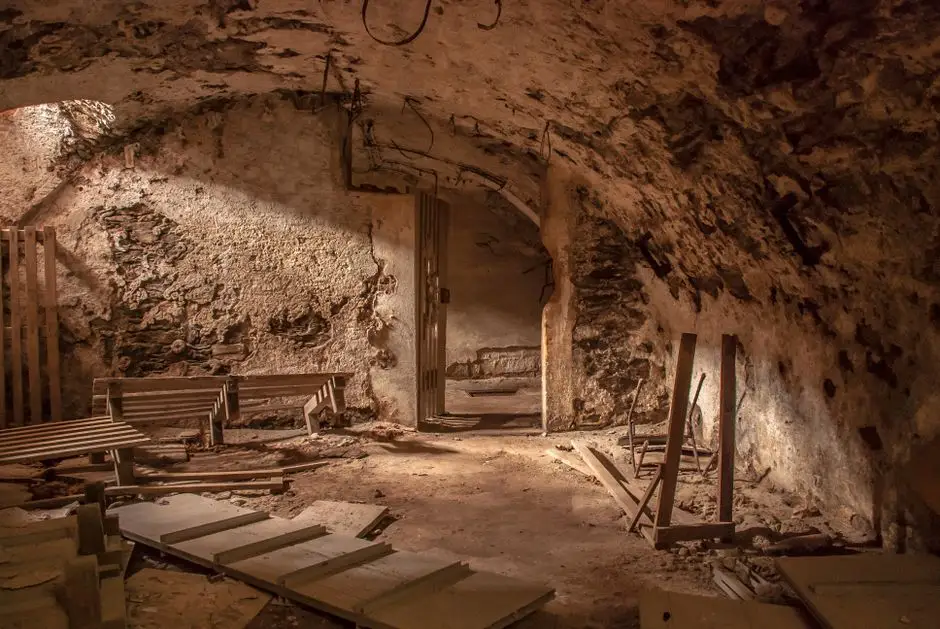
An atmospheric shot of an old, abandoned basement with weathered stone walls and scattered debris.
Licensed Licensed & Bonded
Fully Insured Insured & Bonded
24/7 Emergency Same-Day Response
Warranty Backed Workmanship Guaranteed

What Our Basement Water Damage Restoration Includes

Every job starts with a full inspection and a written scope. The list below covers what is standard on a basement water damage restoration project. If your job needs something outside this list, we tell you before we start and price it separately so there are no surprises.

Emergency Water Extraction

We pull standing water with a water extraction unit rated at 50 to 100 gallons per hour. Carpet, carpet padding, and any floating debris come out the same day. For a 600-square-foot basement, expect two to four hours from arrival to standing-water-free.
Moisture Mapping and Documentation

A moisture meter, thermal imaging camera, and boroscope map exactly where water traveled. We photograph affected areas and log readings before, during, and after drying. That file goes to your insurance adjuster and stays with the job record.

Structural Drying With Equipment

Dri-Eaz dehumidifiers and air movers run continuously until the framing hits the ANSI/IICRC S500 drying goal. A finished basement typically takes three to five days. We check hygrometer readings every 24 hours and reposition equipment as needed.

Antimicrobial and Mold Treatment

We apply antimicrobial spray to framing, subfloor, and wall cavities during extraction. If mold growth is found behind drywall, AMRT-certified technicians assess and treat it. This is standard on any flood that sat longer than 48 hours.

Repairs and Rebuild

Once dry, we replace drywall, insulation, baseboards, and flooring. PVC pipes or copper pipes that failed are repaired or replaced by a licensed plumber and tested before walls close. You get a final walkthrough with moisture readings in writing.

What Basement Water Damage Restoration in Washington Involves


Basement Water Damage Restoration in Washington is the process of extracting standing water, drying structural materials, and repairing what the moisture ruined. A crew arrives with a water extraction unit, moisture meter, and thermal imaging camera to map exactly how far water traveled behind drywall and under wood flooring. We pull carpet and padding, remove saturated baseboards, and set Dri-Eaz dehumidifiers and air movers to dry the slab and framing. The work follows ANSI/IICRC S500, the standard that defines how long drying takes and when materials must be replaced rather than saved.

Washington basements flood for specific reasons. On the west side, 40-plus inches of annual rain saturates soil until it pushes through foundation walls. East of the Cascades, frozen pipe bursts and rapid snowmelt send water into daylight basements. Older homes in Olympia and Kelso often have cast iron drains that crack; newer builds in Sammamish and Silverdale may have sump pumps that lose power during a storm. If you need basement water removal in Washington after any of these events, call before you shop vac the last inch, because the moisture left behind is what grows mold.

Our Basement Water Damage Restoration Process

Five steps, from the first call to the final walkthrough. You will know what is happening and when.

01

Schedule

Call or book online — a real human picks up and confirms a 2-hour arrival window.

02

Diagnose

Licensed tech inspects on-site, then walks you through the cause and your options.

03

Fix

The job is completed to code and done right the first time — no shortcuts, no surprises.

04

Guarantee

Every job backed by a written workmanship warranty — and we stand behind it.

Tools and Methods We Use

Tools & Equipment

Water Extraction Unit

Pulls 50 to 100 gallons per hour from carpet, concrete, and subfloor. This is the first machine on site and the one that stops the damage from spreading.

Dri-Eaz Dehumidifiers

Remove moisture from the air so wet framing and slab can release water. We size the unit count to the cubic footage of the basement, not a flat rate per job.

Thermal Imaging Camera

Finds hidden saturation behind drywall and under flooring without cutting. It shows temperature differences that reveal where water traveled beyond the visible wet area.

Moisture Meter and Hygrometer

Measure moisture content in wood and drywall and humidity in the air. We log readings daily against the ANSI/IICRC S500 drying goal and share them with you.

Boroscope

A small camera that goes inside wall cavities to confirm whether insulation and framing are wet. It prevents unnecessary demolition and catches hidden pockets of water.

Air Movers

High-velocity fans that evaporate moisture off surfaces so the dehumidifiers can capture it. Placement matters more than count, and we reposition them as drying progresses.

Methods & Standards

ANSI/IICRC S500 Drying Standard

This is the industry standard for water damage restoration. It defines how drying goals are set, how often readings are taken, and when materials must be replaced instead of dried. Every job we run follows it, and the documentation proves it.

Category Classification

Water is classified as category 1 (clean), 2 (gray), or 3 (contaminated). The category determines whether materials can be dried in place or must be removed. Sewage backups are always category 3 and require full removal and antimicrobial treatment.

Antimicrobial Application

We apply antimicrobial spray to framing, subfloor, and wall cavities during extraction. It kills surface spores and slows mold growth while drying is underway. This is standard on any flood that sat longer than 48 hours.

Daily Moisture Logging

We take moisture meter and hygrometer readings every 24 hours and record them. You see the trend, your adjuster sees the proof, and we do not pull equipment until the framing is below 16 percent moisture content.

When to Call for Basement Water Damage Restoration

01

You come home to two inches of water in a finished basement after a storm and the sump pump is dead.

What we do: We dispatch a crew with a water extraction unit and portable power. We extract, pull wet carpet and padding, and set Dri-Eaz dehumidifiers and air movers the same day. Moisture readings are logged from day one.

→ Standing water is gone in hours, the framing dries in three to five days, and you have documentation for the insurance claim.

02

A pipe bursts in the basement ceiling on a January morning and water is running down the walls.

What we do: We shut off the line, extract the water, and cut out saturated drywall and insulation. A licensed plumber repairs the copper pipe, and we dry the framing before any rebuild starts.

→ The leak is fixed and tested, the basement is dry to S500 standards, and new drywall and baseboards go back in within the week.

03

You notice a musty smell and damp baseboards in the basement every spring but no standing water.

What we do: We run a moisture meter and thermal imaging camera to find the source, which is usually a foundation crack or crawl space moisture. We dry the affected area, treat with antimicrobial, and seal the entry point.

→ The damp spot is resolved, the musty smell clears, and you get a recommendation to prevent the same seepage next spring.

04

A floor drain backs up during heavy rain and you are not sure if it is sewage or clean water.

What we do: We inspect and classify the water. If it is category 3 sewage, we handle it as a sewage backup cleanup with PPE, antimicrobial, and proper disposal. If it is clean storm water, we extract and dry.

→ The water is removed safely, contaminated materials are disposed of correctly, and the basement is dried and treated.

How Basement Water Damage Restoration Runs in Washington

Washington basements fail differently depending on which side of the Cascades you live on. West of the mountains, 40-plus inches of annual rain saturates soil until it finds a foundation crack or overwhelms a sump pump. East of the mountains, the risk is frozen pipe bursts in January and rapid snowmelt in March. Building stock matters too: pre-1978 homes in Olympia and Centralia may have lead paint, which is why our crews carry EPA Lead-Safe certification. Older cast iron drains crack; newer PVC pipes hold unless a fitting fails. We size drying equipment to the actual cubic footage and humidity, not a flat rate. If you are searching for basement water damage repair Washington near me after a storm, we stage trucks so a crew reaches most addresses the same day.

Neighborhoods We Serve

  • Puget Sound Lowlands

    High annual rainfall and clay-heavy soil push groundwater against foundations. Sump pumps run hard from October through April, and pump failure is the top cause of finished-basement flooding here.

  • Spokane and Veradale Area

    Cold snaps drive frozen pipe bursts in unheated basements and crawl spaces. We see most of these calls in December and January, often before the homeowner notices the leak.

  • Yakima and Columbia Basin

    Irrigation and rapid snowmelt raise the water table in spring. Daylight basements on sloped lots take on water through foundation gaps and window wells.

  • Olympic Peninsula

    Some of the wettest conditions in the state. Crawl space moisture and foundation seepage are year-round issues, and mold growth can start faster than in drier regions.

Local Conditions We Plan For

  • Heavy winter rain on the west side

    Saturated soil raises hydrostatic pressure against foundation walls. Water finds cracks and window wells, and sump pumps run continuously. This is when most basement flooding calls come in.

  • Hard freezes east of the Cascades

    Unheated basements and crawl spaces drop below freezing, and copper pipes burst. Water can run for hours before anyone notices, which means more saturated material and a bigger job.

  • Spring snowmelt in the mountains

    Rapid melt raises groundwater levels and overwhelms drainage. Daylight basements and homes on sloped lots take on water through foundation gaps and floor drains.

Finished Basement Saved After Sump Failure

Before

A sump pump failed during an October storm in Sammamish, leaving two inches of water across 700 square feet of finished basement. Carpet, padding, and the bottom 18 inches of drywall were saturated, and the homeowner found it the next morning.

After

We extracted the standing water in three hours, removed carpet and padding, and cut drywall 24 inches up. Dehumidifiers and air movers ran for four days. Final moisture readings came in at 12 percent, below the 16 percent goal. New carpet and baseboards went in on day eight.

Maintenance: We installed a battery-backup sump pump and recommended a yearly float test before the rainy season. The homeowner now checks the pit every October.

Before

A copper pipe burst in an unheated basement in Medical Lake during a January cold snap. Water ran down the wall and soaked insulation and ceiling drywall on the floor above. The homeowner called at 6 a.m. after hearing water running.

After

A crew arrived before 8 a.m., shut off the line, and extracted the water. We removed wet insulation and drywall, dried the framing for three days, and a licensed plumber replaced the failed section of pipe. Final hygrometer readings confirmed the cavity was dry before we closed it.

Maintenance: We insulated the exposed pipe run and recommended a pipe heater on the coldest section. No repeat burst the following winter.

Before

A floor drain backed up during heavy rain at a Lynnwood rental, spreading category 3 water across 400 square feet of basement. Carpet, padding, and the lower drywall were contaminated and could not be dried in place.

After

Our crew suited up in PPE, extracted the contaminated water, and removed all affected materials. We applied antimicrobial spray to the slab and framing, disposed of debris per Washington requirements, and dried the space for four days. The unit was re-rented within two weeks.

Maintenance: We recommended a backwater valve on the floor drain and a yearly drain inspection. The property manager added both to the maintenance schedule.

Basement Water Damage Repair Washington Problems We Fix

Most basement calls fall into a handful of categories. Here is what we see most often and what happens if each one is ignored.

Problem

Sump pump fails during a heavy rainstorm

Water rises fast, saturates carpet and drywall within hours, and mold growth starts inside 48 hours. A failed pump during a storm is the single most common cause of finished-basement loss we see.

Our Fix

We extract the standing water, remove saturated materials, and dry the slab and framing with dehumidifiers and air movers. We also check the sump pit and recommend a battery backup so the next storm does not repeat the loss.

Problem

Frozen pipe burst in an unheated basement

A burst copper pipe can release hundreds of gallons before anyone notices. Water travels along joists and soaks insulation and ceiling drywall on the floor above.

Our Fix

We shut off the line, extract, and cut out wet drywall and insulation. A licensed plumber repairs the pipe, and we dry the framing to the S500 goal before rebuilding. We also flag unheated runs that should be insulated.

Problem

Foundation crack lets groundwater in during wet season

Slow seepage keeps the slab and lower wall damp for weeks. That constant moisture feeds mold, rots baseboards, and lifts wood flooring. It also raises indoor humidity on the main floor.

Our Fix

We extract, dry, and treat the affected wall with antimicrobial. We seal the crack with hydraulic sealant and, where needed, recommend interior drainage. The goal is a dry wall, not a recurring damp spot.

Problem

Sewage backup through a basement floor drain

Category 3 water carries bacteria and pathogens. Anything it touches, including drywall and carpet, has to be removed and disposed of properly, not dried in place.

Our Fix

Our crew suits up in PPE, extracts the contaminated water, removes affected materials, and applies antimicrobial spray. We dispose of debris per Washington requirements and document the job for your insurance claim.

Why Washington Homeowners Call Us First

Why Washington Homeowners Call Us First

Water in a basement gets worse by the hour. These are the outcomes that matter when you are standing at the top of wet stairs.

  • Water Out in Hours

    Our water extraction unit pulls 50 to 100 gallons per hour from carpet and concrete. A typical 600-square-foot finished basement is standing-water-free in two to four hours, which stops wicking into drywall and baseboards before the damage spreads to the main floor.

  • Drying Backed by Meters

    We do not guess when a basement is dry. Hygrometer and moisture meter readings are logged daily against the ANSI/IICRC S500 drying goal. You get the numbers in writing, so you know the framing is below 16 percent moisture content before we close walls.

  • Mold Stopped Early

    Mold growth starts within 24 to 48 hours of a basement flood. We apply antimicrobial spray to framing and subfloor during extraction, which buys time and kills surface spores. IICRC AMRT-certified technicians handle any growth found behind drywall or in crawl space moisture zones.

  • Insurance Paperwork Handled

    We photograph every affected wall, log moisture readings, and produce a scope your adjuster can process. Most Washington policies cover sudden basement flooding from a frozen pipe burst or appliance leak; we document the cause so the claim moves instead of stalling.

Basement Water Damage Restoration Cost in Washington

Typical 2026 pricing for basement water damage restoration in Washington runs $1,800 to $6,500 for most residential jobs. A small extraction and dry-out with no rebuild starts around $1,200. Finished basements with carpet, drywall, and insulation push toward the top of the range, and sewage backup cleanup costs more because of disposal requirements. We give you a written scope and price before equipment rolls in, so you know the number before we start. Insurance often covers sudden events like a frozen pipe burst or appliance leak.

Typical Investment Range

$1,200 - $6,500 depending on scope

The price covers extraction, drying equipment, daily moisture logging, antimicrobial treatment, and the rebuild. Doing it right the first time costs less than tearing out moldy drywall twice. We document everything so your insurance claim has what it needs.

What changes the price

01

Square Footage Affected

A 300-square-foot utility area dries faster and uses less equipment than a 900-square-foot finished basement. Square footage drives equipment count, drying days, and how much material has to be replaced.

02

Water Category

Clean water from a supply line is category 1 and can often be dried in place. Sewage backup is category 3 and requires full removal, antimicrobial treatment, and proper disposal, which adds labor and cost.

03

Materials Damaged

Concrete slab and framing can usually be dried. Carpet, carpet padding, saturated insulation, and wet drywall typically cannot, so they are removed and replaced. The more finished material in the basement, the higher the rebuild cost.

04

How Long Water Sat

Water sitting longer than 48 hours raises the risk of mold growth and can turn a category 1 job into a category 2. That means more removal, more antimicrobial, and sometimes AMRT-certified mold treatment.

05

Source Repair Needed

Extraction and drying do not fix a burst pipe, failed sump pump, or cracked foundation. Plumbing repair and foundation sealing are separate line items, and we price them before the work starts.

Licensed, Certified, and Documented

Licensed & Certified

  • IICRC WRT (Water Damage Restoration Technician) — issued by IICRC
  • IICRC ASD (Applied Structural Drying) — issued by IICRC
  • IICRC AMRT (Applied Microbial Remediation Technician) — issued by IICRC
  • EPA Lead-Safe Certification — issued by U.S. Environmental Protection Agency
  • Washington State Contractor License — issued by Washington State Department of Labor & Industries

Verified Reviews

Google ★★★★★4.9

Called about a flooded basement in Sammamish and had a crew the same afternoon. They pulled the carpet, set dehumidifiers, and logged readings every day. The framing was dry in four days and the rebuild looked original. Straight answers on pricing from the first call.

Yelp ★★★★★4.8

Frozen pipe burst in our Medical Lake basement in January. They were on site before 8 a.m., shut off the line, and handled the whole dry-out. The plumber they coordinated with replaced the pipe and tested it. One week start to finish.

BBB ★★★★★4.9

Sewage backup at one of our Lynnwood rentals. The crew treated it as category 3, removed everything contaminated, and disposed of it properly. Documentation was ready for the adjuster before they asked. We have used them twice since.

Basement Water Damage Repair Washington Crews You Can Check

Our technicians hold IICRC WRT and ASD certifications, which cover water damage restoration and structural drying science. AMRT-certified staff handle mold assessment when growth is found. We work under a Washington State Contractor License and carry EPA Lead-Safe certification for pre-1978 homes common in Olympia, Centralia, and Chehalis. OSHA 10 training is standard on every crew. We have dried basements after frozen pipe bursts in Spokane, sewage backups in Tacoma, and storm water intrusion along the Puget Sound. Every job follows ANSI/IICRC S500, and every moisture reading is documented.

  • IICRC WRT and ASD certified technicians on every basement water removal job
  • EPA Lead-Safe certified for pre-1978 homes with lead paint in older Washington neighborhoods
  • AMRT-certified mold assessment when basement flooding sits longer than 48 hours
  • Washington State Contractor License and fully insured, bonded crews
  • OSHA 10 safety training and ANSI/IICRC S500 drying standards on every project
Get Started Today
Basement Water Damage Repair Washington Crews You Can Check

Cities We Serve for Basement Water Damage Restoration

We deliver basement water removal Washington homeowners and property managers can count on, from the Puget Sound to the Columbia Basin and the Spokane area. Crews are staged across the state so a flooded basement gets a fast response no matter which city you are in. Here are a few of the communities we cover regularly.

Olympia

Older homes near downtown Olympia often have cast iron drains and pre-1978 construction. We handle lead-safe work practices and dry basements after heavy winter rain and sump failures.

Veradale

Veradale basements take on water from frozen pipe bursts in winter and snowmelt in spring. We extract, dry, and coordinate plumbing repair so the source is fixed before rebuild.

Sammamish

Finished basements in Sammamish are common, which means more carpet, drywall, and insulation at risk. We size drying equipment to the cubic footage and document every reading for insurance.

Lynnwood

Lynnwood sees sump pump failures and floor drain backups during heavy rain. We handle both clean-water extraction and category 3 sewage backup cleanup with full antimicrobial treatment.

Bainbridge Island

Island homes deal with high rainfall and clay soil that pushes groundwater against foundations. We dry basements after seepage and seal the entry points to stop it recurring.

Silverdale

Silverdale basements flood from storm water intrusion and failed sump pumps. Our crews extract fast and dry framing to the S500 goal before any rebuild begins.

Lynden

Lynden winters bring hard freezes and burst pipes in unheated basements. We shut off the line, extract, dry, and coordinate the pipe repair with a licensed plumber.

Kelso

Kelso homes near the river corridor see groundwater rise after prolonged rain. We extract, dry, and treat affected walls with antimicrobial to stop mold before it starts.

Burlington

Burlington basements take on water from foundation cracks and window wells during wet season. We map the source with thermal imaging and dry the full affected area.

Sequim

Sequim sits in a rain shadow but still sees crawl space moisture and foundation seepage. We dry basements and crawl spaces and install vapor barriers where needed.

Sultan

Sultan properties near the river face storm water intrusion and rapid snowmelt. We extract, dry, and rebuild finished basements damaged by flooding.

Medical Lake

Medical Lake winters are cold enough to burst unheated pipes. We respond fast to frozen pipe bursts, extract the water, and dry the framing before mold can start.

Port Hadlock

Port Hadlock homes deal with year-round damp and crawl space moisture that rises into basements. We dry both spaces and treat framing with antimicrobial.

Cashmere

Cashmere basements flood from snowmelt and irrigation runoff in spring. We extract, dry, and seal foundation gaps so the next melt season does not repeat the loss.

Mabton

Mabton sits in the lower Yakima Valley where irrigation and snowmelt raise the water table. We dry daylight basements and repair the water damage before it spreads upward.

Frequently Asked Questions

Real answers to the questions we hear most often from local homeowners and property managers.

How much does basement water damage restoration cost in Washington?
Most residential jobs run $1,800 to $6,500 in 2026, depending on square footage and how much material has to be replaced. A small extraction and dry-out with no rebuild starts around $1,200. Finished basements with carpet, drywall, and insulation push higher. Sewage backup cleanup costs more because of the antimicrobial and disposal requirements. We give you a written scope before work starts.
Why is my basement leaking water in Washington?
The four most common causes we find are failed sump pumps, foundation cracks from saturated soil, frozen pipe bursts, and backed-up floor drains. West-side rain and east-side snowmelt both drive water against foundations. If the leak appears only during heavy rain, it is usually drainage or a wall crack. If it shows up on a cold morning, suspect a frozen pipe burst.
How to remove water from a basement in Washington?
Shut off the source if you can reach it, kill power to the basement at the breaker, and call for extraction. A shop vac handles a quarter inch of water at best; it will not dry the slab or the wall cavities. Our water extraction unit pulls 50 to 100 gallons per hour, then dehumidifiers and air movers finish the job over three to five days.
Does insurance cover basement water damage in Washington?
Most policies cover sudden events like a frozen pipe burst, appliance leak, or storm water intrusion through a failed window. They typically exclude long-term seepage and groundwater flooding unless you carry a separate flood policy. We document the cause, photograph everything, and log moisture readings so your adjuster has what they need to process the claim.

Related Services

Water Damage Restoration

Whole-home water damage restoration covers the main floor and walls when basement flooding wicks upward. We dry the full structure, not just the basement, so moisture does not reappear in the floor above.

View Water Damage Restoration

Emergency Water Removal

When a pipe bursts at 2 a.m., emergency water removal gets a crew to your door fast. We stop the spread before it reaches finished living space, then hand off to the basement drying team.

View Emergency Water Removal

Water Extraction

Water extraction is the first physical step of any basement job. Our units pull 50 to 100 gallons per hour from carpet, concrete, and subfloor, cutting drying time by a full day in most cases.

View Water Extraction

Flood Damage Restoration

Flood damage restoration covers storm-driven water that enters through windows, doors, or foundation gaps. It includes extraction, antimicrobial treatment, and rebuild, which pairs directly with basement flood cleanup Washington calls.

View Flood Damage Restoration

Storm Damage Restoration

After a Pacific Northwest storm, storm damage restoration handles roof leaks, broken windows, and water intrusion together. We tarp, extract, and dry so a single storm does not turn into a month of repairs.

View Storm Damage Restoration

Crawl Space Water Removal

Crawl space water removal stops moisture from rising into the basement and main floor. We extract, dry, and install vapor barriers where needed, which cuts the humidity feeding mold growth above.

View Crawl Space Water Removal

Get Basement Water Damage Restoration in Washington Today

Water sitting in your basement gets more expensive every hour. Call (855) 516-3683 and we will dispatch a crew with extraction and drying equipment. We answer 24/7, we give you a written scope, and we document every moisture reading for your insurance claim.

Call (855) 516-3683 Call Now

Contact Water Damage Pros Washington

Call (855) 516-3683 any time, day or night. Our dispatchers are live 24/7 and can send the nearest crew to your address within the hour for most Washington locations. If you prefer email, send photos and your address to info@waterdamageproswashington.com and we'll follow up fast.

Water Damage Pros Washington


  • Address

    Washington

  • Hours

    Mon–Fri: 7AM – 7PM
    Sat: 8AM – 4PM
    Sun: Emergency Only
    24/7 Emergency Available

Call (855) 516-3683 Get Quote
Call Quote