
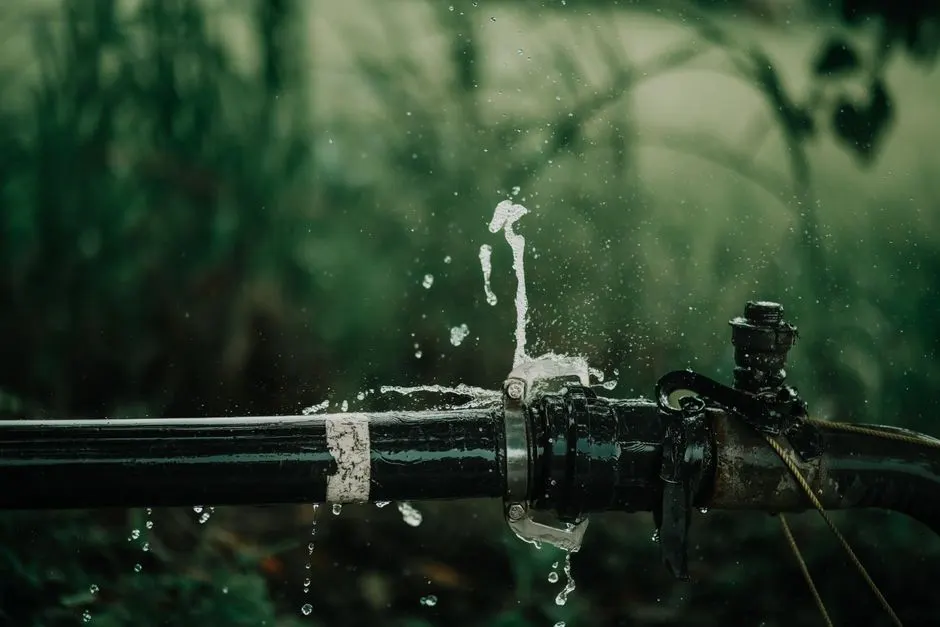
Shut off your main water valve immediately, open the lowest faucet in the house to drain the lines, and call for emergency water removal. That is the short answer to what to do when a pipe bursts in Washington, and the next 30 minutes decide whether you are looking at a $400 repair or a $9,000 restoration bill. A half-inch supply line at 60 PSI can push more than 250 gallons into your home in a single day. This guide walks through the exact order of steps, what it costs in 2026, and how to keep the next cold snap from doing it again.
Shut the water off first, then drain the lines
Shutting off the water is the single step that stops the damage from compounding. Every minute the line stays pressurized, more water pushes through the split and into your drywall, insulation, and subfloor.
Here is the order that works:
- Close the main shutoff valve. Turn it clockwise until it stops. Most Washington homes have a gate valve near the water meter or where the main enters the foundation.
- Open the lowest faucet in the house. A basement slop sink or the outdoor spigot closest to the ground. This drains the remaining water in the pipes and drops the pressure on the break.
- Open a faucet on the top floor too. Air has to enter the system for the water to actually drain out.
- Shut off the water heater. Gas: turn the dial to pilot. Electric: flip the breaker. A drained tank with the element still on will burn itself out.
If the break is on a fixture supply line under a sink, close the angle stop under the cabinet first - it is faster than running to the main. Then go close the main anyway, because angle stops seize up and often do not seal completely.
How to shut off water after a pipe burst in Washington
Finding the main shutoff is the part that trips people up. In most Washington single-family homes it is one of three places: a curb-side meter box with a round lid near the sidewalk, a valve on the wall of the garage or utility room where the supply line enters, or a brass valve in the crawlspace on the street side of the foundation.
If you cannot find it in 60 seconds, call your water utility and ask them to shut it at the curb. They will do it, and they will do it faster than you can dig through a storage closet looking for a valve wrench.
Two things worth doing before you ever need them: tag the valve with a zip tie and a bright tag, and test it once a year. A gate valve that has not been turned in a decade will often snap its stem the first time you force it. If yours feels frozen, stop - a broken valve stem means water you cannot stop.
Cut the power only if water is near outlets or the panel
Water and live electricity kill people every year in exactly this scenario. If the leak is dripping anywhere near a receptacle, a light fixture, or the electrical panel, kill the breaker for that area before you walk through standing water.
Do not wade into a flooded basement to reach the panel. If the panel itself is in the wet zone, leave the house and call your utility from outside. That is not a job for a homeowner with a flashlight.
If the water is contained to a bathroom or kitchen and the break is far from any wiring, leave the power on so you have light to work by. Use a flashlight anyway if the floor is wet.
Start moving water and contents out of the room
Once the water is off, the clock is still running. Mold can start colonizing wet drywall and carpet backing in 24 to 48 hours, and Washington's indoor humidity in winter sits high enough that it moves fast.
What actually helps in the first hour:
- Pull up wet area rugs and move them outside or onto a dry hard floor.
- Lift furniture legs onto foil or plastic blocks so they do not wick water into the wood.
- Mop or wet-vac standing water. A shop vac with a wide nozzle pulls a surprising amount out of carpet.
- Prop up carpet edges if you can do it without tearing the backing - air needs to get under there.
- Run box fans and a dehumidifier if you have them. Aim the fans across the wet surface, not straight down into it.
Do not run a household dehumidifier in a closed room and call it done. A small residential unit pulls maybe 30 pints a day. A burst pipe can put hundreds of gallons into a floor assembly, and most of it is inside the wall and under the subfloor where a fan cannot reach.
If the water reached a finished basement, that is a different job. Basement Water Damage Restoration in Washington involves extracting from under flooring, cutting out saturated drywall to the flood line, and drying the slab - work that needs commercial equipment and moisture meters.
Why Washington pipe bursts happen most in winter
Washington pipe bursts peak between late November and early March, and the reason is not just cold - it is where our pipes run. Most homes here have supply lines in exterior walls, unheated crawlspaces, and garages that stay above freezing on a normal night but drop below it during a hard cold snap.
Water expands about 9 percent when it freezes. That is enough to split copper, PEX, and galvanized steel. The split usually happens on the cold side of the pipe, and you often do not see the leak until the thaw, when the ice plug melts and water finally finds the crack.
The pipes that freeze first in a Washington home:
- Hose bibs and the stub of pipe feeding them.
- Supply lines running through an unheated crawlspace or garage ceiling.
- Pipes in exterior walls behind kitchen and bathroom cabinets.
- Any line in an attic or against a rim joist.
If you have ever dealt with a frozen line that cracked and dumped water into a crawlspace, you already know how much of a mess it makes. Crawl Space Water Removal in Washington is one of our most common winter calls, and it is almost always preventable with a $12 pipe insulation sleeve and a heat tape on the vulnerable run.
What to watch out for after a pipe burst
The mistakes we see most often are the ones that turn a manageable repair into a five-figure insurance claim.
- Turning the water back on to "test it." Do not. Wait for the repair to be done and pressure-tested.
- Running a shop vac and calling it dry. The water is in the wall cavity and under the floor. A moisture meter tells the truth; your hand does not.
- Throwing away wet items before documenting them. Photograph everything before it goes in the trash. Your adjuster will ask.
- Waiting on the insurance call. Most policies cover sudden pipe bursts, but they expect you to mitigate. Delay can reduce your payout.
- Letting a handyman solder a copper line in a wet wall. A proper repair means cutting back to dry pipe, replacing the split section, and testing the line before the wall goes back together.
One more: do not assume the first leak you find is the only one. A hard freeze often cracks two or three spots on the same run. We pressure-test the whole line, not just the visible break.
When to call a professional
Call a professional the moment water has reached a wall cavity, a subfloor, or a finished ceiling. Those are the places a homeowner cannot dry with fans, and they are where mold and structural rot start.
You should also call us if any of these are true:
- The break is behind drywall, under a slab, or inside a wall you would have to open.
- Water reached a basement, crawlspace, or more than one room.
- You see sagging drywall, bubbling paint, or a ceiling that feels soft.
- The water has been sitting more than 24 hours.
- You smell that musty, wet-cardboard odor that means mold is already active.
Our team handles the whole sequence - emergency water removal, structural drying, and the pipe burst cleanup that follows. We find the leak, fix it, dry the structure to IICRC S500 standard, and verify with moisture readings before we call it done. If you are in the Seattle area, we run crews out of Water Damage in Seattle, Washington around the clock during cold snaps. Same for the east side - Water Damage in Spokane, Washington sees some of the hardest freezes in the state because of the elevation and dry cold.
Frequently Asked Questions
What should I do when a pipe bursts in my Washington home?
Shut off the main water valve, open the lowest faucet to drain the lines, kill power to any wet area, and call for emergency water removal. Do this within the first 15 minutes to limit damage. Then document everything with photos before you move or toss anything.
How much does pipe burst repair cost in Washington?
Typical 2026 pricing in Washington runs $350 to $1,200 for the pipe repair itself, depending on access and pipe material. Water damage restoration adds $2,500 to $9,000 for a single room, and more if a basement or crawlspace is involved. Insurance usually covers the sudden-damage portion.
Does insurance cover a pipe burst in Washington?
Yes, most Washington homeowner policies cover sudden and accidental pipe bursts, including the water damage that follows. They typically do not cover the pipe repair itself if it failed from age or neglect. Call your insurer the same day and start mitigation immediately - delay can reduce the payout.
Who do I call for a burst pipe in Washington?
Call a licensed plumber to repair the pipe and a water damage restoration company to extract and dry the structure. Water Damage Pros Washington handles both sides - we coordinate the repair and run the drying. Call (855) 516-3683 any time, day or night.
How to prevent pipes from bursting in Washington?
Insulate every supply line in exterior walls, crawlspaces, and garages. Disconnect hoses and shut off hose bibs before the first freeze. Keep cabinet doors open under sinks on exterior walls during cold snaps, and let a pencil-thin stream drip from the farthest faucet overnight when temps drop below 20°F.
Get help with Water Damage in Washington
A burst pipe is a bad hour, not a bad year - if you get the water stopped and the structure dried fast. We handle the repair, the extraction, and the drying so you are not juggling three contractors while your floor soaks.
Call Water Damage Pros Washington at (855) 516-3683. We answer 24/7, and we will tell you on the phone what to do while we are on the way.