
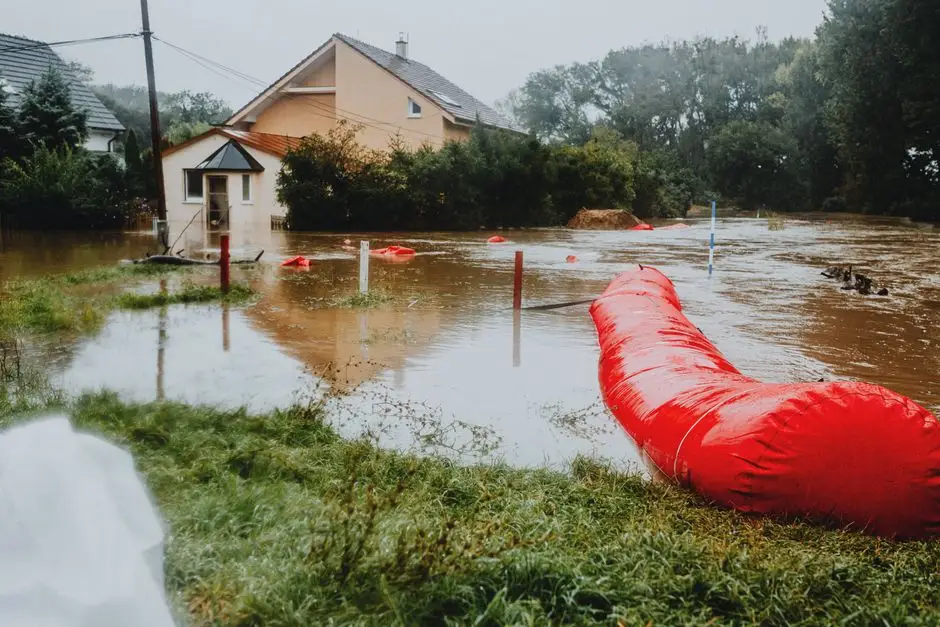
Washington flood damage restoration is the process of extracting standing water, drying structural materials, sanitizing contaminated surfaces, and repairing what the water ruined - and most homeowners need it within 24 to 48 hours of a flood to prevent mold. In Washington, that clock starts the moment a river crests, a storm drain backs up, or a sump pump quits during an atmospheric river. The rest of this post covers what it costs in 2026, how insurance actually pays, how long the work takes, and the mistakes that turn a $4,000 cleanup into a $30,000 rebuild.
What Washington flood damage restoration actually involves
Washington flood damage restoration is a multi-stage service that removes water, dries the structure to a measured standard, and restores damaged materials - it is not just pumping water out of a room. The order matters, and skipping a stage is how homeowners end up with a mold problem six weeks later.
Here is the sequence our crews run on a typical flooded home:
- Emergency water removal. Truck-mounted extractors pull 100 to 300 gallons per minute from carpet, hardwood, and crawl spaces. This is the stage that stops the damage from spreading.
- Moisture mapping. Thermal cameras and pin meters locate water behind drywall and under flooring that looks dry on the surface.
- Structural drying. Commercial dehumidifiers and air movers run until framing reads below 16% moisture content on a calibrated meter - usually 3 to 5 days.
- Sanitizing. Any water that touched soil, sewage, or river overflow is Category 3 (black water) and requires antimicrobial treatment.
- Repair and rebuild. Drywall, insulation, flooring, baseboards, and paint go back in once the structure is verified dry.
If your flooding came from a storm surge or a wind-driven rain event, the job usually overlaps with Storm Damage Restoration in Washington because roof, siding, and window damage often let the water in to begin with.
How much does flood damage restoration cost in Washington?
Washington flood damage restoration cost in 2026 runs $3,200 to $12,000 for a typical single-family home, with most claims landing near $6,500. That range covers extraction, drying, sanitizing, and standard repairs. It does not cover a full kitchen rebuild or foundation work.
What moves the number up or down:
- Water category. Clean supply-line water costs 30 to 40% less to remediate than Category 3 sewage or river water.
- Square footage affected. A single bedroom is a different job than 1,800 square feet of main floor.
- Materials. Carpet and pad get pulled and replaced. Hardwood often can be dried in place if we get there within 48 hours.
- Crawl space or basement involvement. These add $1,500 to $4,000 because access is tight and drying takes longer.
- Mold already present. Remediation adds $1,200 to $6,000 depending on how far it spread.
We give you the price before we start, and it does not change unless we find hidden damage you approve. For a closer look at what a full remediation scope includes, see our Washington water damage restoration page.
Does insurance cover flood damage in Washington?
Standard Washington homeowners insurance does not cover river flooding, storm surge, or surface water - you need a separate NFIP or private flood policy for that. What your regular policy does cover is sudden and accidental water damage: a burst pipe, a failed water heater, an overflowing washing machine supply line.
This distinction trips up more homeowners than anything else after a Washington storm. If the water came from the sky or a rising river, it is a flood claim. If it came from inside your plumbing, it is a homeowners claim. Both are legitimate, but they go to different adjusters with different deductibles.
A few things to do before you touch anything:
- Photograph standing water, damaged belongings, and the water line on walls before you move anything.
- Call your insurer and open the claim the same day - most policies require prompt notice.
- Keep every receipt for hotel, meals, and supplies if you are displaced.
- Do not throw out damaged items until the adjuster has seen them or given you the OK.
We document every job the way adjusters want it - moisture readings, photos, and a line-item scope - so your claim moves faster. If your flooding started with a broken supply line, our Washington pipe burst cleanup team handles that scope regularly.
How long does flood damage restoration take in Washington?
Flood damage restoration in Washington takes 3 to 7 days for extraction and drying, plus 1 to 3 weeks for repairs if drywall or flooring has to be replaced. Small jobs - one room, clean water - can be done in 3 days. Whole-floor flooding with a crawl space involved runs the full 7 days of drying before rebuild even starts.
The drying timeline is not arbitrary. We are waiting for framing to hit a target moisture content, and that depends on:
- How long the water sat before extraction started
- Whether the walls are insulated (insulation traps moisture)
- Outdoor humidity - western Washington in November and December is a hard environment to dry in
- How much air movement and dehumidification we can run in the space
We check moisture daily and show you the readings. When the numbers say dry, we stop. Not before.
How to prepare for floods in Washington
How to prepare for floods in Washington comes down to three things: know your flood zone, protect the mechanicals, and have a plan for the first hour. Washington has flood risk in places people do not expect - river valleys in the Cascades, low-lying neighborhoods near Puget Sound, and anywhere a storm drain can back up during an atmospheric river.
What actually helps:
- Check your FEMA flood zone. If you are in an AE or VE zone and have a mortgage, your lender already requires flood insurance. If you are in an X zone, you can still buy it - and it is cheaper.
- Elevate the mechanicals. Water heaters, furnaces, and electrical panels in a basement should sit at least 12 inches above the expected flood level.
- Install a backflow valve. A $300 to $800 plumbing addition stops municipal sewage from backing into your basement when the city system surcharges.
- Test your sump pump every fall. Pour a bucket of water in the pit and watch it kick on. Replace the battery backup every 3 years.
- Keep gutters and downspouts clear. Water that cannot leave your roof goes into your foundation.
- Store important documents and electronics above the first floor. A plastic bin on a high shelf beats a file cabinet in the basement.
If you live in an older home with a finished basement, the risk is higher. We handle a lot of Washington basement water damage restoration in pre-1970 houses where the original drain tile has collapsed.
Common mistakes homeowners make after a flood
The most expensive flood damage mistakes happen in the first 24 hours, before a professional arrives. Here is what we see repeatedly:
- Waiting for the insurance adjuster before extracting water. Adjusters can take 2 to 5 days. Mold starts in 24 to 48 hours. Extract first, document everything, argue about the claim later.
- Using a shop vac and a box fan. A shop vac pulls surface water. It does not dry subfloor, wall cavities, or insulation. Fans without dehumidifiers just move moist air around.
- Pulling up carpet but leaving the pad. Carpet pad is a sponge. If it got wet, it goes in the dumpster.
- Running the HVAC system. If floodwater reached the ductwork, turning on the furnace spreads contaminated air through the whole house.
- Assuming it will dry on its own. In western Washington in winter, indoor humidity is already high. Wet drywall does not dry - it grows mold.
- Not documenting before cleanup. Photos of the water line, the damaged items, and the source are the backbone of your claim.
One more: do not hire the first truck that shows up in your neighborhood after a storm. Out-of-state crews flood into Washington after major events, take deposits, and leave before the drying is finished. Hire a local company you can call back.
When to call a professional
Call a professional the moment water has been standing for more than a few hours, has touched anything but a clean supply line, or has reached wall cavities, subfloor, or a crawl space. Those are the situations where DIY drying fails and mold takes hold.
Call us immediately if:
- Water is more than an inch deep across a room
- The water is gray or black, or smells like sewage
- You see bowed baseboards, bubbling paint, or a soft spot in the floor
- The flooding reached a crawl space or basement
- It has been more than 24 hours since the water arrived
Water Damage Pros Washington handles emergency flood damage restoration across the state, from Seattle water damage restoration to the drier side of the Cascades. We extract, dry, document, and repair - one crew, one point of contact, one invoice.
Frequently Asked Questions
What should homeowners know about flood damage restoration in Washington?
The most important thing is timing. Mold can start within 24 to 48 hours, so extraction and drying need to begin the same day or the next. Also know that standard homeowners insurance does not cover river or surface flooding - you need a separate flood policy for that.
How much does flood damage restoration cost in Washington?
Typical 2026 pricing runs $3,200 to $12,000 for a single-family home, with most jobs around $6,500. Sewage-contaminated water, crawl space involvement, and existing mold push the number higher. Clean supply-line leaks cost less.
Does insurance cover flood damage in Washington?
Only if you have a flood policy through NFIP or a private insurer. Standard homeowners policies cover sudden internal water damage - burst pipes, failed water heaters - but exclude rising water, storm surge, and surface flooding. Both types of claims are valid; they just go to different adjusters.
How long does flood damage restoration take in Washington?
Extraction and drying take 3 to 7 days depending on how much water and what materials got wet. Repairs add another 1 to 3 weeks if drywall or flooring has to be replaced. We check moisture daily and do not stop drying until framing reads below 16%.
Who is the best flood damage restoration company in Washington?
The best company is the one that answers the phone, shows up the same day, documents the job for your adjuster, and is still local when you need them next year. Ask for moisture readings, a written scope, and a local address before you sign anything.
Get help with Water Damage in Washington
If your home is wet right now, every hour counts. We extract, dry, and repair flood damage across Washington - call (855) 516-3683 and we will get a crew moving to you.