
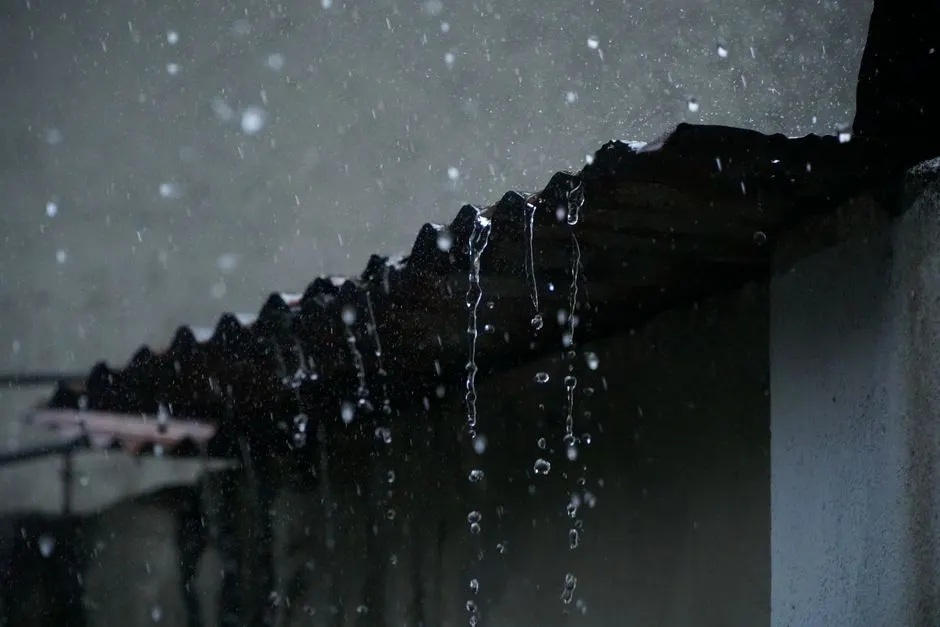
The first thing to do when you spot a roof leak in Seattle is contain the water: move furniture and electronics out of the way, put a bucket under the drip, and puncture a small hole in any bulging ceiling paint to release trapped water before the drywall collapses. Then call a water damage restoration crew - the longer water sits in your attic insulation and ceiling cavity, the more it costs to fix.
Roof leak water damage repair in Seattle is the process of stopping the water intrusion, extracting what has already soaked in, and drying the structure before mold sets up. We handle that whole sequence - from the first wet ceiling stain to a dry, repaired room. Below is exactly what to do first, what it costs in 2026, and how to keep the next Pineapple Express from doing the same thing to your house.
What to do first when a roof leak hits your Seattle home
What to do first for roof leak water damage in Seattle comes down to three moves in order: stop the water from spreading, get the wet stuff out, and get air moving. Everything else can wait.
- Contain it. Buckets, towels, plastic sheeting under the drip. Move anything that water can ruin.
- Relieve the ceiling. If paint is bulging, poke a small hole at the low point with a screwdriver. It sounds wrong, but a controlled drip beats a 40-pound sheet of drywall landing on your floor.
- Kill the power to wet areas. If water is anywhere near outlets, switches, or a light fixture, flip the breaker for that room before you touch anything.
- Document everything. Photos of the stain, the bucket, the wet insulation, the damaged furniture. Your adjuster will want them.
- Start drying. Fans, a dehumidifier, open windows if the rain has stopped. Every hour of airflow counts.
What you should not do: climb onto a wet roof in the rain, or assume a small stain will dry on its own. In Seattle's humidity, a ceiling stain that looks minor on Tuesday is often a mold colony by the following week.
Why Seattle roofs leak so often
Seattle roofs leak because they spend roughly 150 days a year wet, and most of the housing stock here was built before modern underlayment standards. The combination of constant moisture and aging materials is brutal.
Three things drive most of the leaks we see:
- Pineapple Express events. Atmospheric rivers dump 2 to 4 inches of rain in 24 to 48 hours. Water finds every weak flashing detail at once.
- Moss and debris. Our climate grows moss on asphalt shingles faster than almost anywhere in the country. Moss lifts shingle edges and traps water against the deck.
- Freeze-thaw cycles. Seattle does not get many hard freezes, but when we do, water sitting in a cracked flashing joint expands and opens it wider.
Older neighborhoods like Ballard, Wallingford, and Rainier Valley have a lot of 1920s-1950s homes with original roof penetrations that were never designed for the rainfall we get now. If you own one of those houses, a roof inspection every two years is cheap insurance. When we are already on site for Seattle water damage restoration, we check the attic deck for staining - that is usually where the story starts.
How to find the source of a Seattle roof leak
Finding the source of a Seattle roof leak is harder than it sounds because water rarely drips straight down. It runs along rafters, pools on a vapor barrier, and shows up 10 feet from the actual breach.
Here is how we trace it:
- Start in the attic. Look for dark staining on the roof deck, wet insulation, or rusted nail heads. Those are the tell.
- Check the usual suspects. Chimney flashing, vent pipe boots, skylight curbs, and valley flashing cause the majority of leaks we repair.
- Look at the ceiling stain shape. A round stain usually means a slow drip from directly above. A streak means water is traveling along a joist.
- Test with a hose - carefully. On a dry day, have someone spray one section of roof at a time while you watch from inside. Never do this alone on a wet roof.
If you cannot find it in 30 minutes, stop. Chasing a leak on a two-story Seattle craftsman is how people end up in the ER. Our team uses moisture meters and thermal imaging to map exactly where water has traveled, which saves hours of guesswork and prevents us from tearing out drywall that did not need to come out.
How much does roof leak water damage repair cost in Seattle?
Seattle roof leak water damage repair cost in 2026 typically runs $1,200 to $6,500 for the interior restoration, plus $400 to $2,500 for the roof repair itself, depending on how long the leak has been active.
Here is the breakdown we give homeowners:
- Minor leak, caught early: $400-$900 roof repair, $800-$1,800 interior drying and stain repair.
- Leak with wet insulation and ceiling damage: $1,500-$3,500 roof work, $2,500-$5,000 interior restoration.
- Long-running leak with mold: $5,000-$12,000+ once you add mold remediation and structural repair.
Emergency roof leak repair in Seattle costs more after hours - expect a 25% to 40% premium for nights, weekends, and storm events. That premium is almost always cheaper than the damage from waiting until Monday.
For a full picture of what interior water damage restoration costs across the region, our Washington water damage restoration team walks through pricing by damage type. The single biggest cost driver is time - every day water sits, the number goes up.
Does insurance cover roof leak water damage in Seattle?
Insurance usually covers roof leak water damage in Seattle if the leak was sudden and accidental - a wind-torn shingle, a fallen branch, a failed flashing joint. It usually does not cover damage from long-term neglect or normal wear.
What that means in practice:
- Covered: Storm opens a flashing joint, water pours in, ceiling and insulation are soaked. File a claim.
- Not covered: A 15-year-old roof with a slow leak you noticed six months ago. That is maintenance, and the adjuster will say so.
- Sometimes covered: Ice dam or wind-driven rain damage, depending on your policy language.
Document the date you first noticed the leak, take photos, and do not throw away damaged materials until the adjuster has seen them. If you are not sure whether to file, call us first - we can tell you what we see and whether it looks like a claim-worthy event. We work directly with most major carriers and can provide the moisture readings and photos your adjuster needs.
Common mistakes we see Seattle homeowners make
The most expensive mistake Seattle homeowners make with a roof leak is waiting to see if it gets worse. In this climate, it always gets worse.
Other mistakes we see every week:
- Painting over the stain. Kilz covers the mark, not the moisture. The mold keeps growing behind it.
- Running a fan and calling it dried. A box fan does not dry the inside of a wall cavity. We use commercial dehumidifiers and air movers for a reason.
- Hiring a roofer who does not do water damage. Fixing the shingle is half the job. If nobody dries the attic and ceiling, you will be calling a restoration company in three weeks anyway.
- Skipping the attic inspection. The visible stain is often the smallest part of the problem.
- Assuming it is just one leak. Old roofs rarely fail in one spot. When we open up a ceiling, we usually find two or three entry points.
If you are dealing with a leak that came in during a windstorm rather than normal rain, our Washington storm damage restoration team handles those calls differently - the damage pattern is broader and often includes siding and window intrusion.
How to prevent roof leaks in Seattle
Preventing roof leaks in Seattle comes down to three habits: keep the roof clean, inspect the flashing twice a year, and replace worn sealant before it fails.
Our recommended maintenance schedule for Puget Sound homes:
- Every fall (October-November): Clear gutters and downspouts. Remove moss from shingles. Check chimney and vent flashing.
- Every spring (March-April): Inspect for winter damage. Look for lifted shingles, cracked sealant, and rusted nails.
- Every 2 years: Full attic inspection for staining and moisture. Replace any pipe boot older than 10 years.
- Every 15-20 years: Plan for a full roof replacement. Asphalt shingles in Seattle rarely last past 20 years because of the moss and moisture load.
If you live in an area that gets more wind-driven rain - think Everett water damage restoration territory up north, or the exposed ridges around Bremerton - shorten that schedule. Twice-a-year inspections become three.
When to call a professional
Call a professional the moment water is coming through a ceiling, wall, or light fixture - that is not a wait-and-see situation. Water in a ceiling cavity spreads fast, and the difference between a $1,500 repair and a $9,000 repair is often 48 hours.
You should also call us if:
- The stain is growing, even slowly.
- You smell musty or earthy odors in the room.
- Your attic insulation is wet or compressed.
- You cannot find the source after a reasonable look.
- Your insurance adjuster needs documentation before approving a claim.
Water Damage Pros Washington handles the whole job - roof leak repair coordination, water extraction, structural drying, and interior repair. We give you a clear price before we start, and we tell you honestly when a repair is not worth doing. If you are searching for roof leak water damage repair in Seattle near me and want a crew that has dried out hundreds of Puget Sound homes, that is what we do.
Frequently Asked Questions
What should I do first for a roof leak in Seattle?
Contain the water with buckets and towels, move valuables, and if the ceiling is bulging, poke a small hole to release trapped water. Then call a restoration crew. Do not climb on a wet roof. Every hour of delay increases mold risk in Seattle's humid climate.
How much does roof leak water damage repair cost in Seattle?
In 2026, expect $1,200 to $6,500 for interior restoration plus $400 to $2,500 for the roof repair. Long-running leaks with mold can exceed $12,000. Emergency after-hours work adds 25% to 40% to the bill.
Does insurance cover roof leak water damage in Seattle?
Usually yes for sudden, accidental damage like storm-torn shingles or failed flashing. Usually no for long-term neglect or normal wear. Document everything with photos and call your adjuster before you throw away damaged materials.
Who do I call for roof leak water damage in Seattle?
Call a water damage restoration company, not just a roofer. The roof repair is only half the job - the interior needs to be dried and repaired too. Water Damage Pros Washington handles both and works directly with your insurance carrier.
How to prevent roof leaks in Seattle?
Clear gutters and remove moss every fall, inspect flashing every spring, and get a full attic inspection every two years. Replace pipe boots older than 10 years and plan for a full roof replacement every 15 to 20 years in this climate.
Get help with Water Damage in Seattle
If water is coming through your ceiling right now, we can be on site fast to stop the spread, dry the structure, and repair the damage. One call and we handle the rest - roof coordination, extraction, drying, and the interior rebuild.
Call Water Damage Pros Washington at (855) 516-3683 for roof leak water damage repair in Seattle and across Washington.